Youth Crisis Stabilization Unit

24/7 crisis care for children and young adults.
Youth in crisis call now 559-839-2670.
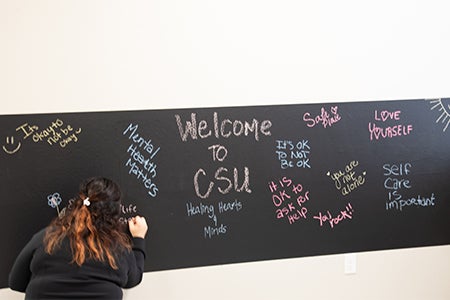
The Kaweah Health Youth Crisis Stabilization Unit (CSU) is a 24/7, year-round resource for children and transitional-age youth (ages 21 and under) experiencing a mental health crisis. In partnership with Tulare County Health & Human Services Agency, this dedicated facility provides a safe and healing environment for youth who need urgent mental health support.
Kaweah Health Youth Crisis Stabilization Unit
230 NW 3rd Avenue
Visalia, CA 93291
(559) 839-2670
Open 24 hours a day, 365 days a year. Walk-ins and referrals welcome.
Watch the accessible version of the CSU Now Open video with audio description and captions on YouTube.
Our Services
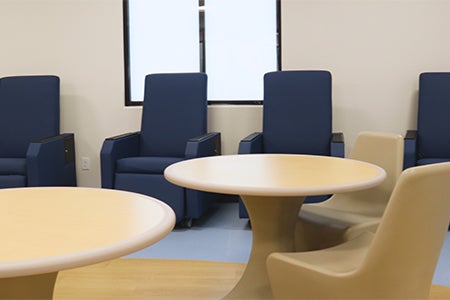
Located near Visalia’s Oval Park, the Youth Crisis Stabilization Unit provides rapid, compassionate mental health care for children, teens, and young adults experiencing a crisis. The unit offers short-term, focused support that helps restore safety, reduce distress, and guide families toward ongoing care and community resources. This dedicated space includes 12 chairs divided into two areas—one for children (17 and under) and one for transitional-age youth ages 18–21—ensuring age-appropriate, developmentally sensitive care.
Our team provides:
-
Crisis evaluation, intervention, and stabilization
-
Psychiatric services and discharge planning
-
Support for serious mental health challenges and acute stress
-
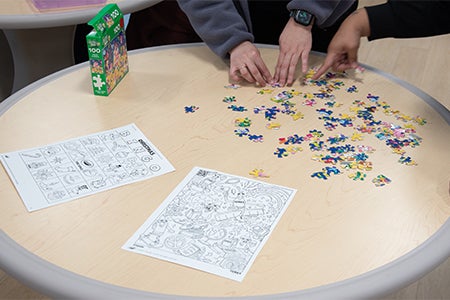
A healing-centered, structured environment to help de-escalate crisis situations
-
Connections to community resources and follow-up care
Youth may access the CSU as walk-ins, either independently or with a caregiver. Youths can also be referred by:
- Emergency departments
- Schools
- Community partners
- Law enforcement
Our Commitment
Every child and young adult who enters the CSU is met with dignity, compassion, and evidence-based care. Our multidisciplinary team is dedicated to helping families through their most vulnerable moments and guiding youth toward safety, stability, and long-term well-being. The CSU ensures that local youth have timely access to appropriate care close to home—reducing unnecessary hospitalizations and keeping them connected to their families and support systems.